Monteverde Night Walk Tour — Guided Birding and Wildlife After Dark
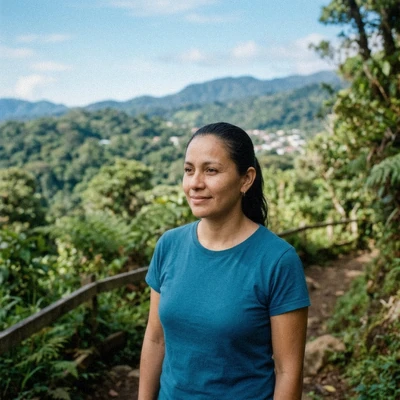
The Monteverde cloud forest transforms completely after dark. Species that hide during the day emerge at night — glass frogs become visible on leaves near streams, sleeping birds are easier to approach and photograph, and nocturnal predators begin their hunt. This guided Monteverde night walk tour combines expert naturalist guidance with professional scope photography, so you leave with actual images of the species you encountered. Compare all Monteverde bird watching tours we cover — day and night options across the cloud forest.
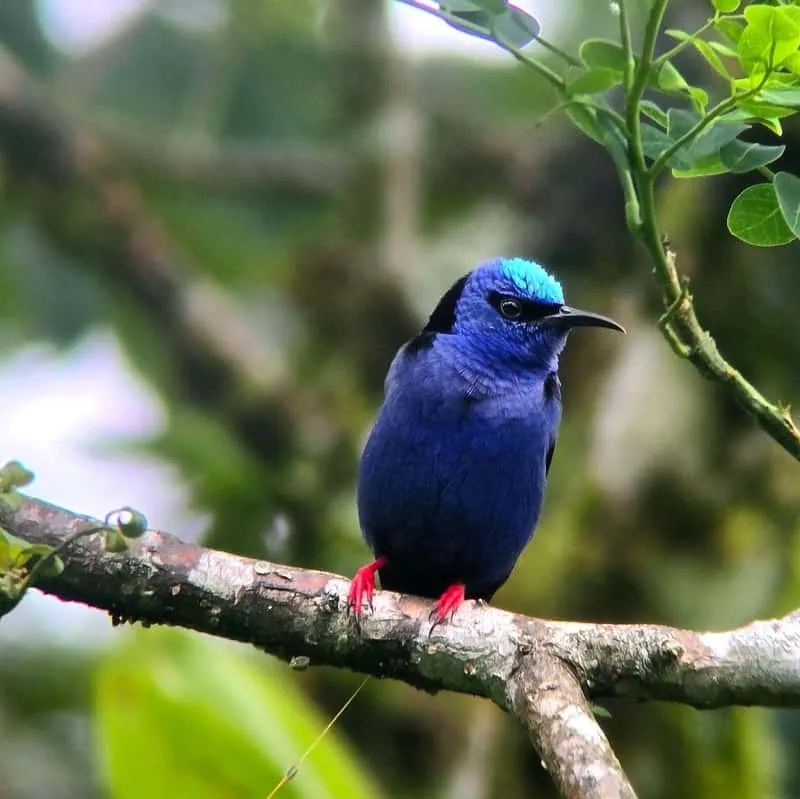
About This Activity
Up to 24h in advance — full refund
Focused evening session — day or night option
Guide, binoculars & scope photography included
Guide captures images through scope for you
Leave with real images of every bird spotted
Perfect reviews from all recent guests
Check Live Availability & Prices
Real-time dates and prices — morning, afternoon, and night walk options available.
What Makes This Tour Different — Scope Photography Included
You Leave With Real Photos of Every Bird
Most birdwatching tours give you a memorable experience but little photographic evidence — the birds are distant, the light is poor, or your phone camera isn't powerful enough. This tour is specifically designed to solve that problem. Your guide uses a professional spotting scope and photographs every identified bird through the eyepiece, then sends you the images after the tour.
For night species in particular, where a phone camera produces nothing, this is a significant differentiator.
- Guide photographs every species through the spotting scope
- Images captured even in low-light night conditions
- Perfect for travelers without telephoto camera equipment
- Memorable record of your Monteverde birdwatching experience
Morning, Day, or Night — You Choose
This tour is available as a morning session, afternoon session, or night walk depending on availability and your preference. The night walk is particularly popular for seeing species that are impossible or very difficult to find in daylight — glass frogs, sleeping hummingbirds, night herons, and occasional owls. The morning session targets birds at peak activity; the afternoon session catches a different suite of species during the late-day feeding window.
What You'll See on a Monteverde Night Walk
Night Birds and Nocturnal Species
Monteverde's cloud forest supports a range of night-active species rarely seen on daytime tours. The common pauraque and whip-poor-will rest on the forest floor and trail edges at night — they can be approached closely for the scope. Mottled owls and bare-shanked screech-owls hunt from low perches in the forest interior.
Common potoos sit motionless on bare branches, invisible in daylight but detectable at night with a torch.
- Common pauraque — rests on forest trails at night, approachable with care
- Mottled owl and bare-shanked screech-owl — heard and sometimes seen in the forest interior
- Common potoo — sits on dead branches, eyes reflect torchlight
- Night heron species where water is present
- Sleeping day birds — hummingbirds and tanagers visible on nighttime perches
Night Wildlife Beyond Birds
The night walk reveals a dimension of the cloud forest invisible during the day. Glass frogs — Costa Rica's most famous amphibians — become visible on leaves over streams, their transparent bodies and visible organs extraordinary under torchlight. Coatis and kinkajous are active at night.
The guide will spotlight all species encountered, whether bird, amphibian, or mammal.
- Glass frogs on leaves over streams — transparent bodies with visible organs
- Red-eyed tree frog — another highlight of the Monteverde night forest
- Eyelash palm pitviper — spotted at safe distance by the guide
- Coatis and other mammals active on night trails
- Spectacular invertebrates: large moths, walking sticks, leaf-cutter ants
What's Included, What to Bring, What's Not Allowed
What's Included
- Expert English-speaking naturalist guide
- Binoculars for the duration of the tour
- Spotting scope with photography setup
- Professional photos of species encountered, sent after the tour
- Torch/headlamp provided for the night walk
- Free cancellation up to 24 hours before
Not Included
- Reserve or trail entrance fees if applicable (check at booking)
- Transport to the tour meeting point
- Meals or drinks
- Guide gratuity (optional)
What to Bring
- Closed-toe shoes with grip — forest trails at night can be slippery
- Light rain jacket — evenings in Monteverde are frequently cool and misty
- Insect repellent
- Water
- Your own camera if you want additional shots alongside the guide's scope photography
- A positive attitude for early starts or late finishes depending on session
Not Allowed
- Flash photography — disturbs nocturnal wildlife significantly
- White light torches without a red filter near frogs or roosting birds
- Handling any wildlife, including frogs or insects
- Leaving the marked trail at night
Night Walk Tour — What Happens
-
18:30–19:00
Meet your guide at the trailhead
The guide provides a briefing on what to expect, how to move quietly, and how to use the torches. Binoculars and the scope are distributed.
-
19:00–19:45
Forest trail — first hour of darkness
The guide scans the trail edges with a spotlight. Common pauraque, glass frogs, and sleeping birds are targeted first. The scope is set up for close-range views of any stationary species.
-
19:45–20:15
Stream edges — amphibians and herons
Near water, the guide locates glass frogs and red-eyed tree frogs on overhanging vegetation. Night herons may be present if a water source is nearby.
-
20:15–20:30
Exit and species review
Return to the starting point and review the night's sightings. Your guide will send the scope photographs to your email or phone within 24 hours.
Important Things to Know
Is the Night Walk Suitable for Children?
Yes, with some considerations. The trail is relatively short (2 hours) and the pace is slow and quiet. Children who can walk quietly and follow guide instructions typically enjoy the experience greatly — glass frogs and large insects are particularly captivating for younger guests.
Children under 8 may struggle with the late start time. Check with your guide when booking.
How Many Species Will You See at Night?
Night walks typically produce 10 to 20 species (birds and other wildlife combined). The count is lower than daytime birding but the quality of each encounter is often higher — you approach sleeping birds very closely and see glass frogs in ways impossible during the day. The scope photography element means you document more than you would remember in daylight.
Location: Monteverde Cloud Forest, Costa Rica
Who This Tour Is For
Perfect For
- Travelers wanting to experience the cloud forest after dark — a completely different environment
- Anyone without a telephoto camera who wants professional-quality bird photos from the scope
- Families with children (ages 6+) looking for a magical evening wildlife experience
- Visitors on a tight schedule — the 2-hour format fits into an evening without losing a full day
Not Suitable For
- Guests with significant walking difficulties — the night trail requires sure footing
- Visitors primarily interested in the quetzal or bellbird (these are daytime species — book a morning tour instead)
- Anyone uncomfortable with darkness, spiders, or insects in a natural setting
- Very young children under 5 who may struggle with the late start and quiet requirement
Monteverde Night Walk — FAQ
Is the night walk safe?
Yes. Your expert naturalist guide leads the walk with torch lights and manages all encounters with wildlife at a safe distance. The eyelash palm pitviper and other venomous species are spotted by the guide and viewed from a safe distance — they do not represent a risk if you stay on the trail and follow the guide's instructions. The guide carries a first-aid kit.
What's the difference between the night walk and morning bird tour?
The morning tour targets the headline daytime birds — quetzal, bellbird, toucans, hummingbirds, tanagers — at peak activity. The night walk reveals nocturnal species: owls, nightjars, glass frogs, tree frogs, and sleeping birds. Many visitors do both to see the full range of Monteverde's wildlife. The scope photography element applies to both sessions.
Will I see glass frogs on the night walk?
Glass frogs are a regular sighting on this tour when walking near stream edges — their translucent bodies and visible organs are extraordinary under torchlight, and Monteverde's streams host healthy populations. Sightings are most reliable from May through November during the rainy season when frogs are most active.
Are the photos really taken through the scope and sent to me?
Yes. This tour specifically includes scope photography as part of the experience. Your guide uses a phone adaptor to photograph birds and wildlife through the spotting scope eyepiece. The resulting images are not professional DSLR quality but capture the species clearly. Images are sent via WhatsApp or email after the tour — check with your guide for the exact process.
Can I add a morning session after the night walk for more birds?
Absolutely — many guests combine a night walk with a dawn session the following morning. Ask your guide to recommend the best tour for the morning bird list. The quetzal and bellbird are best targeted on a dedicated morning tour starting at or before 6am.
What Travelers Say About the Monteverde Night Walk
The guide took photos of every bird through the spotting scope for us — we left with actual images of the quetzal, not just a memory. That made it so much more special. Highly recommend the photo option.
Birding in Monteverde — Guided Tour with Binoculars & Photos
The glass frogs alone were worth the night walk. I'd never seen one in real life — seeing the internal organs through the transparent body by torchlight was one of the most incredible things I've witnessed in nature.
Our guide found a pauraque on the trail within the first ten minutes and we spent 15 minutes looking at it through the scope from 3 metres away. It never moved. Extraordinary experience in the night forest.